

After forehead reduction (a surgery involving an incision along the hairline), one of the most common questions is "when can I wash my hair?" Because the incision line sits on the hairline, everyday actions you barely think about, washing, drying, and tying your hair, translate directly into wound care.
The specific number of days before each activity can resume differs from person to person, depending on the extent of the incision and how recovery progresses, and your clinic will give you individual instructions. So rather than day counts, this guide organizes the thinking: which activities, in what order, and by what criteria to resume, covering hair washing, bathing, exercise, alcohol, hair care, and sleep. For your actual timing, always follow your surgeon's directions first.
The Short Answer: How to Think About Each Activity
The shared principles are simple: the more an activity heats the body, the later it comes; the more it touches or pulls the wound, the more caution it needs. The sections below cover each activity in detail.
When Can You Wash Your Hair, and How
[Image 2: Hair washing diagram]
Concept: side-by-side comparison of NG (fingernails, scrubbing the incision, hot water) versus OK (fingertip pads, lukewarm water, cool-air drying)
alt: the right and wrong ways to wash your hair after forehead reduction
Suggested filename: forehead-reduction-aftercare-shampoo.jpg
The point at which washing can resume differs by clinic, so never decide on your own; confirm you have the go-ahead first. Even after permission, the wound remains not fully closed for a while, so wash by these rules.
Use lukewarm water and avoid hot water. Choose a mild shampoo, and wash gently with the pads of your fingers, never your nails. Do not rub the incision line (the hairline) directly; limit it to letting lather sit and rinsing it away. Leftover shampoo is an irritant, so rinse thoroughly. When blow-drying, never aim hot air directly at the incision; dry from a distance with cool or low-warm air. Leaving the hair wet invites bacterial growth, so avoid that too. Until suture removal (your surgeon will tell you when), the rule is simple: gentle, no rubbing, and dry it properly.
Showers, Baths, and Saunas: When?
A shower from the neck down is usually one of the earliest activities to be permitted, provided you keep the wound dry. Soaking in a bath is different: as the body warms and circulation rises, so does the risk of swelling and bleeding, so tub baths come after hair washing, once the swelling has settled. Even then, start short and lukewarm.
Activities that strongly heat the body, saunas, hot-stone spas, and hot springs, should be the very last things you bring back. When you feel ready, do not decide on your own; have the wound checked at an examination before returning to them.
When Can You Exercise?
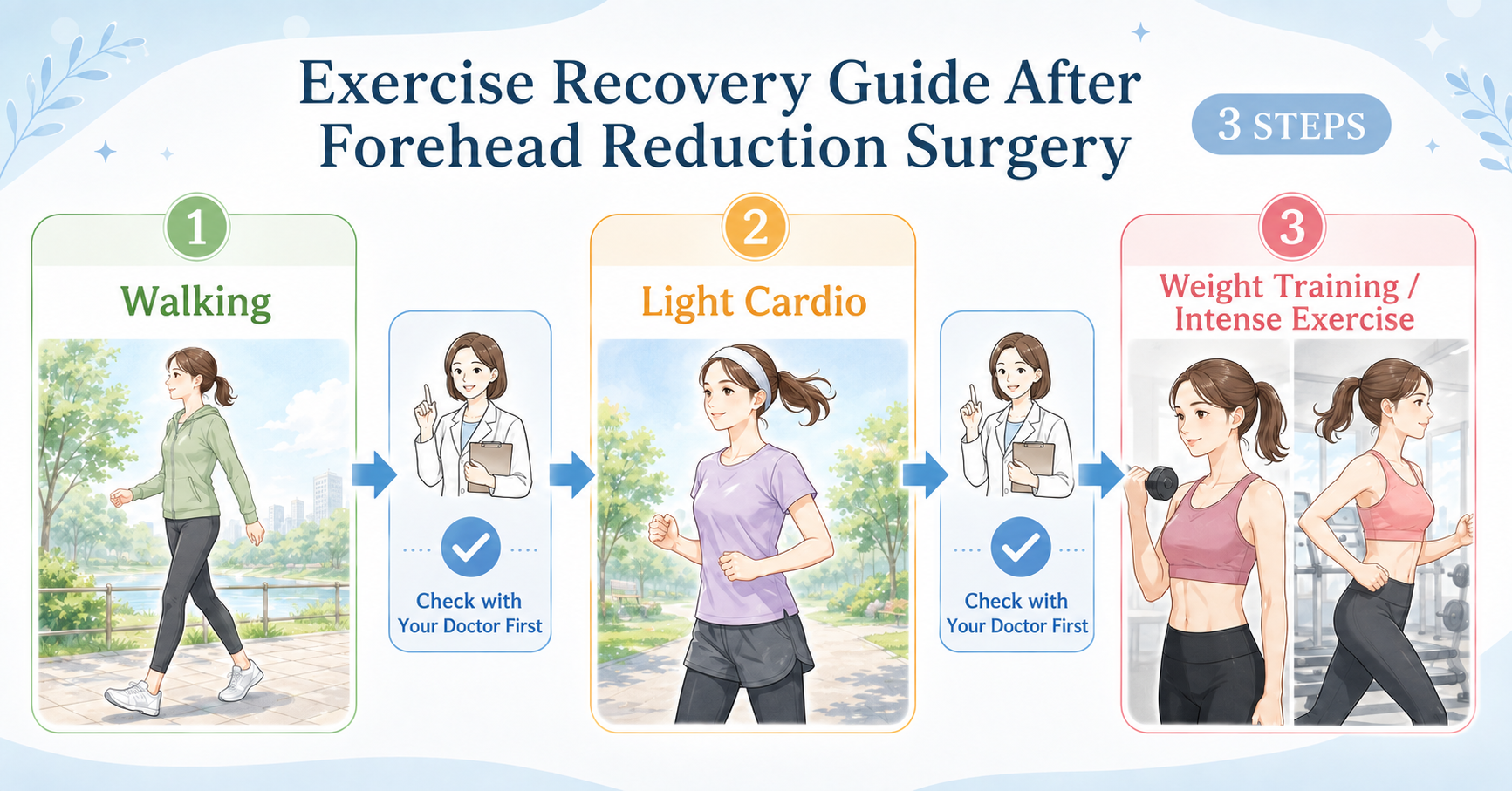
Exercise directly affects circulation and blood pressure, so a staged return is the rule. The order: light walks, then cardio such as jogging, then weight training, hot yoga, and intense sports, checking with your surgeon before each step up in intensity. Be especially careful with movements that strain the head (heavy lifting, inversions) and sports where a ball or contact could reach the head. If swelling or pain worsens after resuming, do not push through; step back a stage and watch.
Alcohol and Smoking: When?
Alcohol boosts circulation and raises the risk of worsened swelling and bleeding. Avoid it entirely while taking prescribed medication (antibiotics, painkillers) for interaction reasons, and even after finishing the medication, hold off until the swelling settles. Discuss the timing of your first drink at an examination.
Smoking impairs blood flow and is a leading cause of delayed wound healing; e-cigarettes are flagged for the same risk. Rather than setting a fixed release date, "avoid it for as long as possible until the wound settles" works in favor of both your recovery and your final result. If you quit before surgery, we recommend simply keeping it that way.
Sleep Posture
For a while after surgery, sleeping with your head elevated above heart level on a higher pillow helps reduce swelling. Avoid sleeping face-down, and avoid side positions that press the incision hard into the pillow. If you worry about rolling over, cushions placed at both sides help hold your position. A clean towel spread over the pillow protects the wound and keeps your bedding clean at the same time. Ask your surgeon how long to keep this up, based on how your swelling progresses.
Hair Care and Styling: What to Watch
With the incision on the hairline, how you handle your hair is itself part of the care. Hairstyles that pull hard, ponytails and buns, put tension on the hairline and strain the wound, so avoid them for a while even after suture removal and wear your hair down. Hair dye, perms, and chemical straightening are strongly irritating; the rule is to resume them only after an examination confirms the wound is stable. Styling products such as wax and spray should be kept off the incision and to a minimum for a while. When brushing, take care not to drag the comb hard near the incision line.
Behaviors to Avoid: The Full List
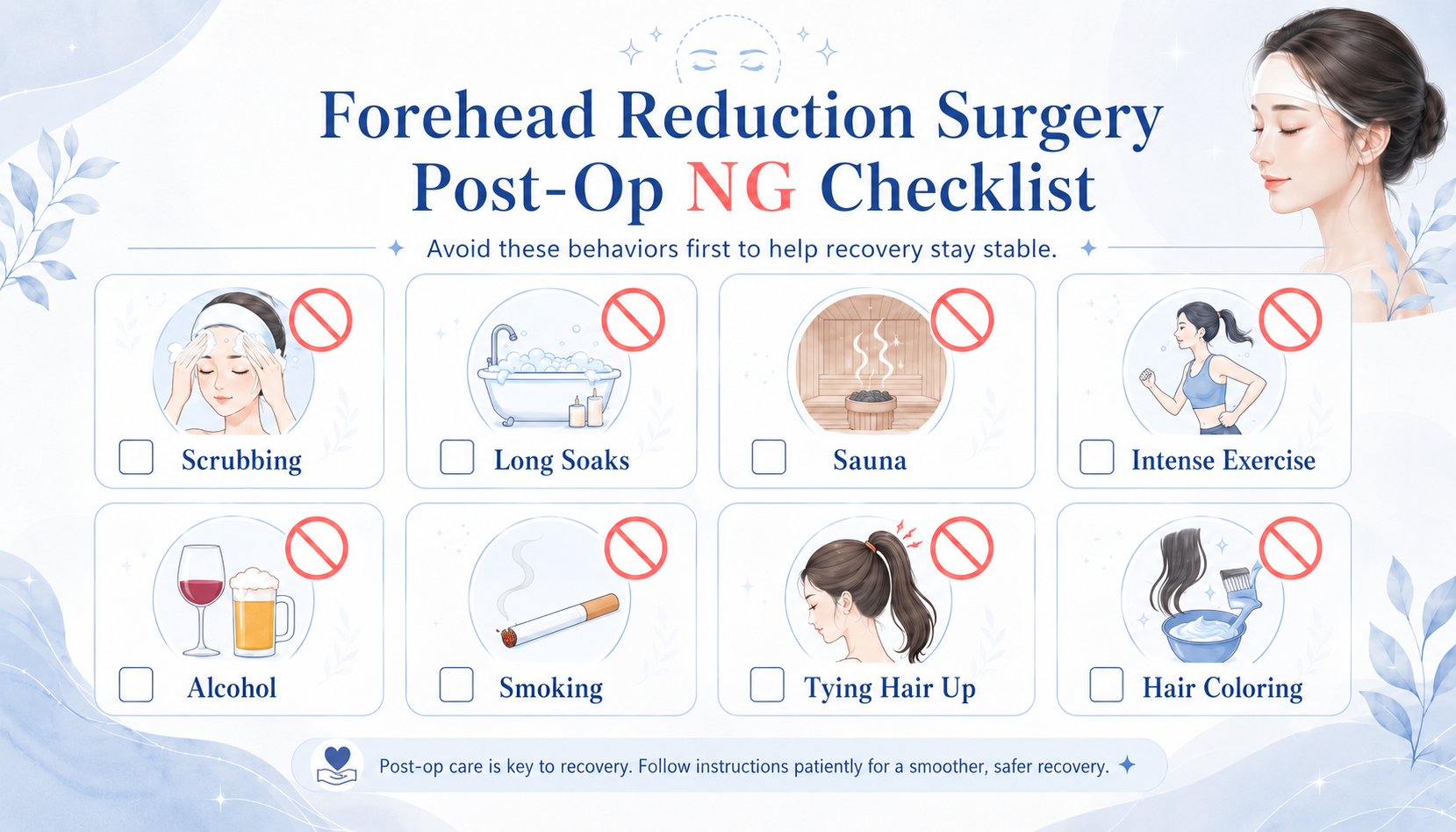
To close, the classic recovery-blockers: rubbing or scratching the incision; overheating the body with hot water, long baths, or saunas; intense exercise and alcohol before you have the go-ahead; smoking; tying or pulling the hair hard; dye or perms before the wound is stable; and picking at scabs. Every one of them leads to worsened swelling, bleeding, or a more visible scar. It is exactly when you feel itchy, or impatient to get back to normal life, that a little more patience decides the final result.
Frequently Asked Questions
Q1. Is it a problem if the wound gets wet while I wash my hair?
A. Once you are past the point at which washing is permitted, water touching the wound is generally not a problem in itself. What matters are three things: no rubbing, no leftover cleanser, and drying thoroughly afterward. If you get it wet before washing is permitted, gently press the moisture away with a clean towel, and contact your clinic if any worrying symptoms appear (strong pain, bleeding, discharge).
Q2. The incision itches. Can I scratch it?
A. Itching is a common part of wound healing, but scratching can open the wound or make the scar more visible, so hold back. If it is truly hard to bear, alternatives include pressing lightly around the area with clean hands or applying a cooled towel briefly. If the itching is intense and persistent, or comes with redness and swelling, infection is possible, so have it examined.
Q3. When can I go back to work or go out?
A. Low-strain work such as desk jobs can usually resume relatively early, and when going out, the incision can generally be covered naturally with bangs; if you wear a hat, choose a loose one without pressure. Physical or long-standing jobs need the same staged judgment as exercise, so tell your surgeon what you do and discuss the specific timing at an examination.
Conclusion: The Motto Is "No Heat, No Rubbing, No Pulling"
Life after forehead reduction boils down to three rules: no heat (baths, saunas, exercise, alcohol), no rubbing (hair washing, face washing, itching), and no pulling (hairstyles, brushing). The order of return is shower, then hair washing, then baths, then saunas; for exercise, walks, then cardio, then weights. The specific day counts depend on your wound and are given individually by your clinic, so when in doubt, do not self-judge; check with your surgeon and put a steady recovery first.
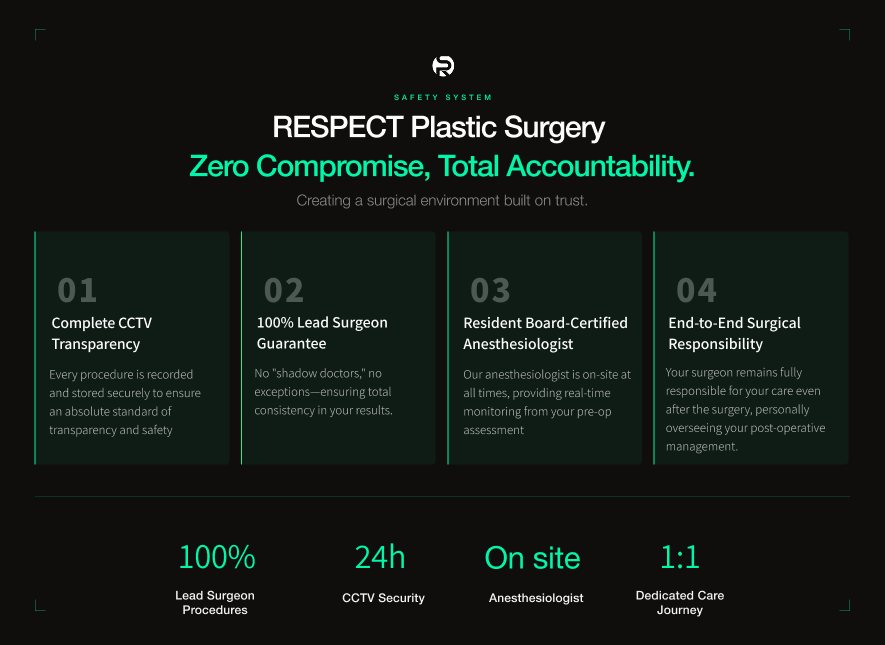
If you have concerns about your post-op routine, feel free to reach out through Respect Plastic Surgery's official WhatsApp for an online consultation.

 Google Maps